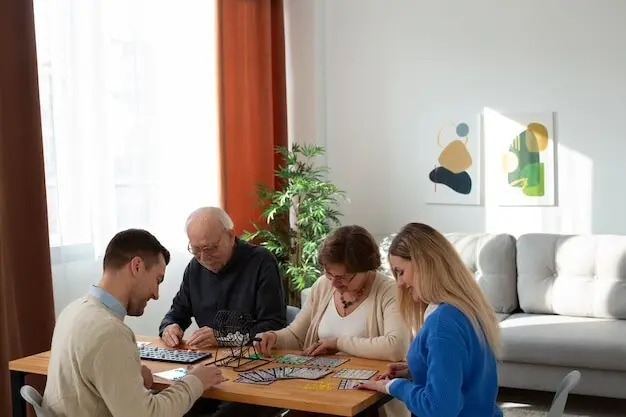

Living Fairly Together: Protocols That Make Shared Homes Work

Step into a practical, compassionate guide to living fairly under one roof. We explore household decision protocols for shared responsibilities and budgets, turning fuzzy expectations into clear agreements, reducing invisible labor, and protecting relationships. You’ll gain rituals, language, and tools that make choices faster, money calmer, and chores sustainable, while inviting every voice, honoring limits, and celebrating small, steady wins that keep your home supportive, equitable, and genuinely livable for everyone involved.

Start With a Shared Map

{{SECTION_SUBTITLE}}

Values, Non‑Negotiables, and Nice‑to‑Haves

Collect what each person truly cares about: rest, cleanliness, hosting, savings, spontaneity, privacy, and time for hobbies. Distinguish hard limits from preferences to avoid endless stalemates. When a decision touches a non‑negotiable, you already know to slow down, widen options, and protect that boundary. Everything else becomes a flexible space where creative swaps, small experiments, and gracious compromises can flourish without resentment building quietly underneath.

The Household Inventory Sprint

Spend thirty focused minutes listing every repeating task and expense: laundry, trash, dishes, pet care, rent, utilities, streaming, groceries, repairs, and seasonal chores. Estimate frequency, effort, and emotional load. This single document surfaces hidden work and corrects myths about who “naturally” handles what. Once invisible labor becomes undeniable, you can distribute responsibilities with empathy, adjust capacities during stressful seasons, and celebrate contributions that previously went unnoticed every single week.

Money Without Mayhem

Turn anxious conversations about spending into stable rhythms by choosing explicit contribution rules, transparent dashboards, and calm review cadences. Budgets work best when every dollar has a job, surprises are buffered, and discretionary choices respect individual freedom. Instead of arguing receipt by receipt, agree on ceilings, set gentle alerts, and create spaces where generosity, savings, and joy purchases can coexist without guilt because the plan already anticipates real human needs.

Preference‑Weighted Rotation

Start with honest ratings for each task: dread, neutrality, or delight. Build rotations that pair heavy, disliked chores with lighter favorites, balancing overall load over a full cycle. Track reality, not intention, and allow earned credits for tough weeks. Re‑balance every month or season as routines change. This keeps motivation alive, prevents quiet martyrdom, and transforms duty into predictable, equitable cooperation where everyone occasionally does both difficult and gratifying contributions.

Service‑Level Agreements for Home

Define what “clean enough” actually means: countertops nightly, bathrooms weekly, floors biweekly, fridge review before grocery trips. Add acceptable time windows and recovery rules after guests or travel. Shared definitions reduce nagging and decoding. Instead of debating tone, you reference agreements. Accountability becomes neutral, even boring, which is perfect for chores. With expectations explicit, kindness grows in the spaces where guesswork once lived, and weekends regain their restful, restorative character.

Escalation Path When Standards Slip

Plan for misses without shaming: a gentle nudge, a swap token, then a reset discussion if patterns repeat. If capacity shrank, downgrade scope temporarily rather than brewing resentment. Note systemic issues—broken tools, unclear timing, missing supplies—and fix those first. When consequences are predictable yet compassionate, tasks recover quickly and relationships stay intact. You protect both the home’s function and the partnership’s warmth, even through chaotic seasons and unavoidable human lapses.

Deciding Together, Faster and Kinder

Good decisions balance speed, inclusion, and reversibility. Name which choices need consensus and which simply need consultation. Set quiet periods for research and short windows for objections. Track experiments with small, safe steps. By separating high‑stakes decisions from everyday tweaks, you prevent paralysis while showing care. Everyone knows how to proceed, when to pause, and how to revisit outcomes without shame, because learning beats being right on the first try.

One‑Way Door vs Two‑Way Door

Label choices you can easily reverse—like rearranging furniture—as two‑way doors, and move quickly. Treat big commitments—like adopting a pet or signing a lease extension—as one‑way doors that require deliberate consensus and clearer exit plans. This vocabulary calms urgency, invites measured curiosity, and protects the household from accidental overreach. People feel safer experimenting when they trust that reversibility, scope, and risk have all been named respectfully in advance.

Advice Process for Big Purchases

When proposing a significant expense, the initiator consults those affected, a subject‑matter friend, and one thoughtful disagreer. They integrate feedback, set guardrails, and proceed with documented intent. Responsibility for the outcome stays with the proposer, avoiding diffusion and blame. This process fosters initiative without steamrolling, invites diverse wisdom without endless meetings, and creates clear, reviewable reasoning you can later refine together as your household’s needs, resources, and constraints inevitably evolve.

Temperature Check and Consent

Use quick hand signals or a simple one‑to‑five scale to gauge support. Address strong objections by improving the proposal, then seek consent—“good enough for now, safe enough to try.” Document time limits and success metrics. Consent avoids hidden vetoes and perfection traps by prioritizing shared learning. People feel heard, decisions still move, and revisions become normal maintenance rather than admissions of failure or invitations for personal criticism that weaken trust.

Repair, Reflect, and Renew

Every system needs maintenance, including emotional ones. Schedule regular retrospectives to surface frictions before they harden into stories about character. Replace blame with curiosity, separate impact from intent, and identify one experiment to try next. Micro‑repairs compound into stability. When you normalize updates, apologies, and resets, the household becomes adaptive rather than brittle, generous rather than transactional, and genuinely safer for honest feedback that strengthens love and everyday teamwork.

Weekly 20‑Minute Reset

Sit down with tea, turn off notifications, and follow a simple agenda: appreciations, numbers, frictions, experiments. Keep it light but consistent. Agree on one improvement, not five. Capture notes where everyone sees them. Celebrate small wins—a calmer checkout, fewer dishes, faster bedtime. These quiet rituals slowly rewire stress responses, proving that partnership is a practice, not a performance, and that relief often arrives in ordinary, repeatable routines more than dramatic breakthroughs.

Blameless Postmortems for Blowups

After a tough argument, write a short, shared timeline of facts, then list contributing systems: unclear roles, missing tools, tight money, poor sleep, or unspoken worries. Offer impact statements and apologies without counterattacks. Choose one prevention step and one repair gesture. This transforms pain into knowledge and restores dignity. Over time, your home learns to metabolize conflict into wisdom, protecting both tenderness and traction in the days that immediately follow.

Exit Ramps and Rest Days

Build pressure‑release valves into agreements: opt‑out windows for chores after brutal weeks, skip cards for meetings, and scheduled sabbath hours where money talk is off‑limits. Pair these with automatic minimums—autopay, savings sweeps—so progress continues. When rest is designed in, people volunteer more generously, because recovery isn’t a debate. The household’s reliability rises while burnout falls, creating a virtuous cycle of trust, capacity, and steadier collaboration across changing seasons.

Tools That Keep Promises Visible

Visibility beats memory. Use a one‑page canvas for roles and cadences, a shared calendar for time, and a simple tracker for money. Automate reminders where possible, but keep human override easy. Dashboards reduce drama by answering predictable questions fast. When information is central and current, you can disagree productively about priorities instead of debating ghosts, because facts, commitments, and next steps live in the same friendly place everyone trusts.

The Household Canvas

Map people, roles, decision cadences, chore cycles, budget categories, and rituals on a single page. Post it on the fridge or pin it in your shared notes. Review monthly to reflect reality, not ideals. This evolving document prevents drift, welcomes new roommates or partners gracefully, and anchors conversations during stressful moments. When the map is clear, the territory of daily life becomes far easier to navigate kindly and confidently together.

Automation With Guardrails

Automate bill payments, savings sweeps, recurring grocery orders, and chore nudges. Pair each automation with a review cadence and an off‑switch so control remains human. Good defaults reduce decision fatigue but never trap you. Add alerts for thresholds, not every transaction. When routines hum quietly in the background, attention returns to connection, creativity, and rest, because the machinery of the home supports you instead of constantly demanding fresh willpower.

Stories From Shared Homes

Experiences make the playbook real. These short vignettes show how small protocols eased tension, preserved dignity, and created room for joy. Notice that none rely on perfection; they rely on iteration, visibility, and care. Share your own story in the comments or messages, subscribe for fresh experiments, and borrow what fits. Collective wisdom grows when we celebrate progress and admit the mess, learning respectfully from each other’s honest journeys.

Roommates Who Tamed the Utility Bill

Two friends constantly argued about winter heating. A shared dashboard, seasonal budget envelope, and agreement to pre‑authorize thermostat changes under a cost cap turned fights into teamwork. They added a blanket basket and tea shelf for cozy alternatives. Within two months, spending stabilized, tempers cooled, and their movie nights returned. The protocol didn’t remove preference differences; it simply gave them safe rails and visible numbers to navigate together.

New Parents Finding Time to Breathe

Sleep deprivation wrecked routines and fairness. They shrank chores to minimum viable standards, created rotating recovery mornings, and used a whiteboard for needs, not blame. Zero‑based budgeting protected diapers and groceries while pausing extras. Weekly twenty‑minute resets reopened tenderness. Nothing looked Instagram perfect, yet stress softened because expectations matched reality. Their protocol honored exhaustion, preserved kindness, and slowly rebuilt momentum one small, compassionate adjustment at a time.

Dexoveltofarinovi
Privacy Overview

This website uses cookies so that we can provide you with the best user experience possible. Cookie information is stored in your browser and performs functions such as recognising you when you return to our website and helping our team to understand which sections of the website you find most interesting and useful.