

Design Your Home to Shape Your Best Self
Welcome to an energizing dive into Home Choice Architecture: Structuring Environments to Nudge Better Habits. Today we explore how cues, friction, default placement, and tiny spatial tweaks can make healthy actions nearly automatic. Expect practical layouts, science-backed nudges, heartfelt stories, and playful experiments designed to help your rooms whisper better choices. Share your wins, ask questions, and subscribe to keep these evidence-based home shifts coming.
Start With a Walkthrough: Seeing Habits in the Walls
Before buying organizers or chasing hacks, tour your rooms with a detective’s eye. Notice what actions happen instantly and which stall out. Look for cues at eye level, objects within arm’s reach, and tiny frictions causing detours. This discovery walk reveals why a guitar hides in a closet while the remote sits front and center. Map behaviors to surfaces and doorways, then sketch small layout adjustments worth testing this week. Share your map for feedback and fresh ideas.

A Kitchen That Serves Your Future Self
Food decisions are famously impulsive, so re-stage the pantry and fridge like a supportive set. Research suggests plate size, container transparency, and placement at eye level can tilt choices without brute willpower. Turn counters into healthy billboards, hide overeager snacks behind friction, and keep prep tools one effortless reach away. We’ll borrow restaurant mise en place, but friendly. Start small, learn fast, and send us a photo of your new edible runway.
Light, Noise, and Temperature Alignment
Two hours before bed, shift the home’s lighting story: warm bulbs, lower lamps, and indirect glow. Add a white-noise source if street sounds spike stress, and target a cooler room temperature to cue drowsiness. A simple curtain sweep ritual marks closure on the day. Keep a soft throw within reach and slippers by the bed for comforting continuity. Share your bedtime light switch sequence; we’ll trade ideas to craft smoother evening arcs.
Tech Offboarding and Charging Corridors
Build a graceful goodbye to screens. Create a visible charging corridor far from the pillow, ideally in the hallway or living room. Add attractive cable management and a small valet tray so parking the phone feels premium. Replace doomscrolling with a waiting book, journal, or puzzle. Use an analog alarm to break the wake-to-phone loop. Announce your new cutoff time in the comments to build accountability and recruit a friendly partner.
Focus, Learning, and Movement: Make the Living Room Coach You
Design small, permission-giving zones that invite attention, curiosity, and motion. Arrange a work nook that protects focus, while micro-movement prompts hide in plain sight. Display instruments and books like treasures, not chores. Keep equipment visible, charged, and warmly lit to reduce ignition energy. Let your living room praise better choices without scolding. Try one rearrangement today, notice the pull tomorrow, then share your two-sentence story so others can borrow your spark.
Attention-Friendly Work Nook
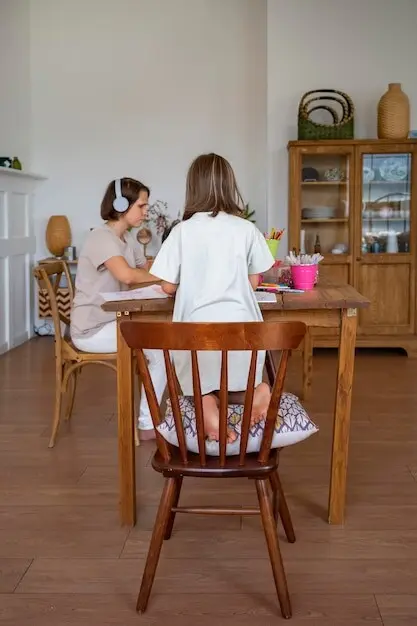
Carve out a compact surface with a single-screen rule, a physical to-do card, and noise options ready to go. Face away from traffic if possible. Create a victory setup: water, notepad, timer, and comfortable chair height. Store distracting gadgets in a closed drawer with a playful sticker reminding future-you why you care. Run a 90-minute focus block as a test and report the one change that carried the biggest calm for you.
Micro-Movement Circuit in Plain Sight
Scatter gentle prompts where you naturally pause: a yoga mat unfurled near sunlight, a kettlebell by the doorway, a resistance band looped over a friendly hook. Keep shoes and a towel close to reduce excuses. Let a two-song rule guide quick sessions. Track checks on a small whiteboard magnetized to the fridge. Friction is the real workout; make the set-up effortless. Post your circuit photo and the track that gets you moving.
Hobbies and Learning by Visibility
Place the guitar on a stand, not in a case. Showcase a calligraphy set in a shallow drawer with glass front. Stack two appealing books on the coffee table with a beautiful bookmark announcing where to start. Keep everything primed. Label the shelf “open for fifteen minutes.” Celebrate small reps, not marathons. When delight is reachable, practice returns. Comment with the hobby you’re surfacing this week and the smallest ritual that makes it inviting.

Digital Choice Architecture Across the Home
Our screens thread through every room, so guide their invitations thoughtfully. Create phone homes, reframe notifications, and let Wi‑Fi rules support focus and family time. Turn addictive features into opt-in rituals while preserving joyful connection. Build charging zones that welcome parking devices without judgment. Craft boundaries that feel kind, not punitive. This is compassionate design for attention. Experiment for three evenings, then share your favorite light-touch rule that unlocked surprising peace.
Give each device a named, attractive parking place. Combine soft lighting, a catchall tray, and a cheerful sign that celebrates docking. Keep spare chargers in common areas to prevent bedroom creep. Pair this with a tiny hand-written card listing three non-screen options you genuinely enjoy. Momentum grows when alternatives are visible. Invite everyone in the household to personalize the zone. Post your design and the one phrase that helps you actually use it.
Run a two-week test: week one, silence everything except true VIPs; week two, reintroduce only signals that improve your day. Document mood, focus, and family interactions. Some alerts might move to digest summaries. Badge counts beg for taps; hide them. Relocate particularly grabby apps to a nested folder named with your value—“Read,” “Breathe,” or “Create.” Share your results and any surprising alert you happily never restored afterward.

Iterate, Measure, and Anchor Identity Cues
Home Choice Architecture shines when treated like gardening: plant, observe, prune, and replant. Track signals that predict success, schedule five-minute resets, and leverage identity cues that remind you who you’re becoming. Celebrate tiny reps loudly. Keep experiments reversible and playful. Recruit a buddy for accountability and storytelling. Your environment will evolve alongside your habits, season by season. Share your scoreboard, your reset playlist, and one identity phrase you’ll place where it matters.
Design a low-friction scorecard: simple boxes for daily habits, a weekly reflection line, and one emoji for mood. Post it where the action begins, not where it ends. Use stickers for joyful reinforcement. Visual signals beat memory in busy weeks. Review on Sundays with tea and adjust one variable only. Treat misses as data, not drama. Upload your scorecard template, no perfection required, and tag three signals that most reliably nudge you forward.
Schedule a short ritual that restores the stage: refill the fruit bowl, pre-fold gym clothes, refresh the bedside tray, and wipe the work nook. Set a two-song timer and keep supplies together in a cheerful caddy. Resets protect momentum when motivation dips. Make it communal if possible, with roles that feel fair and fun. Share a playlist that makes your reset fly and a photo of the one surface you’re proudest to reclaim.