

Cues That Shape Your Day: Build Mornings and Evenings That Stick

Today we dive into designing morning and evening routines with behavioral cues—practical, sensory prompts that make good actions effortless and repeatable. Expect crisp strategies grounded in habit science, plus relatable stories you can borrow tonight and tomorrow morning. Try one micro-experiment, share your results in the comments, and subscribe for weekly cue ideas that keep progress gentle, consistent, and enjoyable.

From Alarm to Action: Turning Wake-Ups Into Momentum

Wake-ups succeed not through force but through elegantly placed signals that move you from awareness to action. By shaping the first five minutes—light, breath, movement, and a single prepared win—you convert sleepy intention into tangible progress. Explore tiny, repeatable steps that compound, reduce decision fatigue, and create momentum before excuses appear. Share your favorite starter cue so others can borrow it tomorrow.

Designing the Cue: Habit Loops, Salience, and Simplicity
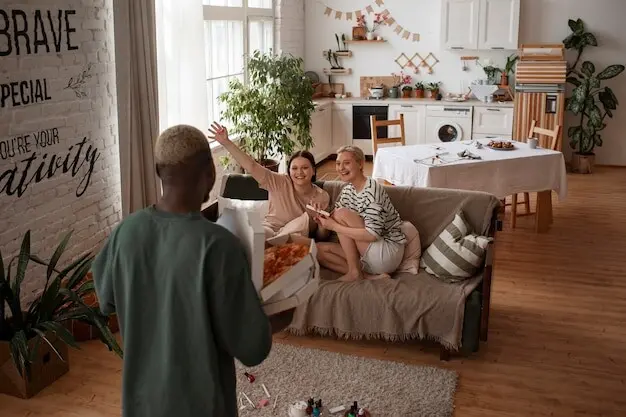
Effective cues respect how the brain processes salience, prediction, and payoff. We will map the classic loop—cue, behavior, reward—then edit each piece to be unmistakable and simple. You will learn to engineer visibility, proximity, and immediate reinforcement so consistency feels natural. Comment with one loop you plan to build this week.
Objects within reach outperform good intentions stored in drawers. Put vitamins by the kettle, journal on the pillow, running shoes by the door. Remove ambiguity: labels, colors, and containers signal exactly what happens next. When the path is obvious and near, action requires less willpower and happens sooner.
Attach the new habit to a stable anchor you already perform without fail: after brushing, stretch calves; after pouring tea, open your calendar; after dinner, set tomorrow’s outfit. Anchors provide timing and placement, reducing negotiation and forgotten steps. Stacking compresses thinking and strengthens identity through repetition.
Delay grand rewards and install tiny, guaranteed ones immediately after the behavior: a checkmark, a victory phrase, or thirty seconds of your favorite song. Emotions close loops. When your brain expects satisfaction now, it shows up for the next repetition without bargaining or elaborate pep talks.

Evening Wind-Down That Actually Winds Down
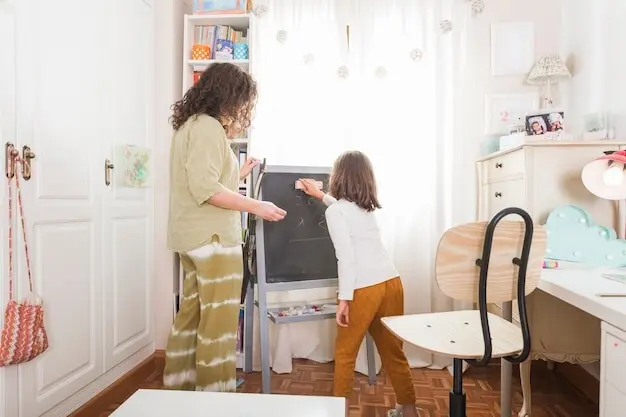
Evenings flourish when signals whisper that the day is complete and recovery has begun. Rather than relying on willpower, design transitions that dim stimulation, close open loops, and soothe the nervous system. These gentle shifts help you fall asleep faster and wake clearer. Share one calming signal you will add tonight.

Environment as an Instruction Manual

Spaces silently instruct behavior. When your environment broadcasts the next right action and hides distractions, routines feel natural. We will arrange surfaces, containers, and pathways so effort collapses in the desired direction. Readers often share photos of before-and-after setups; add yours to inspire a neighbor and solidify your progress.

One-Line Evening Review

At night, write one sentence answering three prompts: what worked, what slipped, and which cue mattered most. The brevity keeps compliance high while capturing patterns. Over weeks, you will spot repeat offenders and quiet superstars, enabling smarter tweaks without overwhelming spreadsheets or punishing, perfectionist grading.

Cue Effectiveness Score

Score each cue from zero to five based on clarity, convenience, and emotional payoff. Low clarity suggests repositioning; low convenience calls for simplification; low payoff needs a better immediate reward. These small adjustments compound, turning decent routines into delightful ones that you repeat even on difficult days.

Personalization Across Chronotypes and Lifestyles

People differ in energy curves, obligations, and sensory preferences. Successful routines honor those realities rather than fighting them. We will translate cue design for varying chronotypes, households, and travel patterns so good habits persist through seasons of life. Add your context below; we will suggest tailored adjustments together.

If-Then Rehearsals

Write three if-then plans for your riskiest moments: if I wake late, I open curtains and drink water immediately; if I skip movement, I do one minute before coffee; if I scroll in bed, I plug my phone across the room nightly.

Reset Protocol After Late Nights

After an unusually late night, do not chase the perfect morning. Run a reset: hydrate, walk in daylight, eat protein, and protect an earlier wind-down. Shrink goals to non-negotiable minimums so you rebuild momentum without punishment, then resume normal targets the following day.

Motivation vs. Capacity

When motivation dips, reduce task size before blaming character. Cut reading to two pages, breathing to three rounds, or exercise to one sun salutation. Protect identity by keeping the streak alive. Capacity rises again faster when you treat yourself like an ally rather than an obstacle.

Dexoveltofarinovi
Privacy Overview

This website uses cookies so that we can provide you with the best user experience possible. Cookie information is stored in your browser and performs functions such as recognising you when you return to our website and helping our team to understand which sections of the website you find most interesting and useful.